
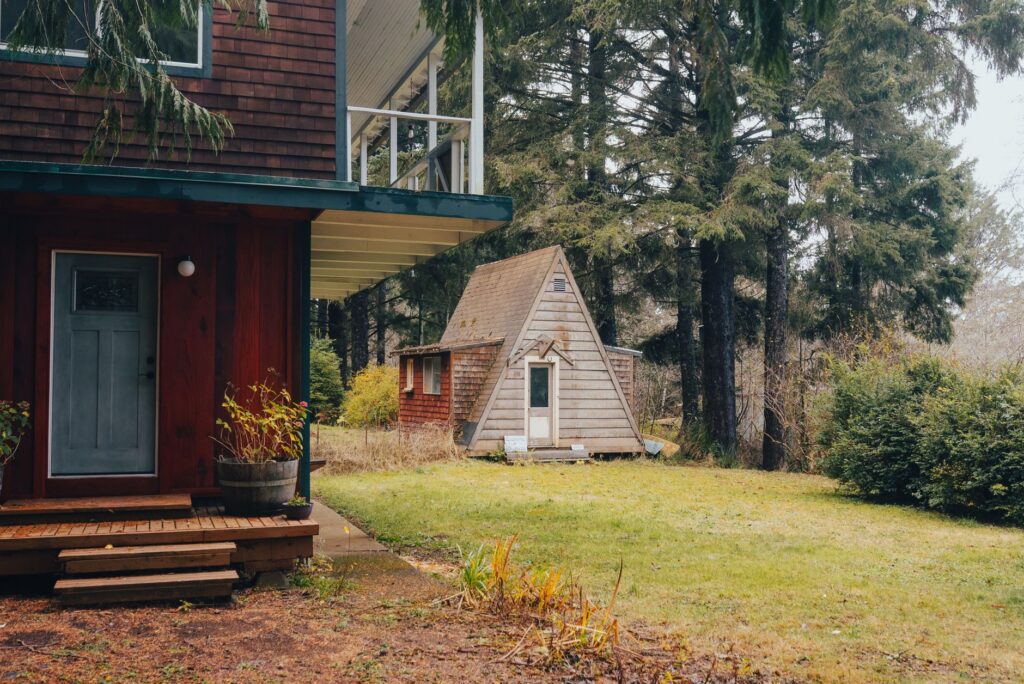
An accessory dwelling unit (ADU) is a second, smaller home on the same lot as a primary residence. In Portland, it can be a way to add living space without buying another property. What it can do for your household depends on the site, your budget, and how you expect to use it.
Start with the use, not the building
Think about who will live in the ADU and what they need day to day. A compact home for a family member may call for a different layout than a rental or a workspace that could later become a place to live. Privacy, a separate entrance, storage, and access to outdoor space can matter as much as the number of rooms.
Then look at the main house and yard together. An ADU might fit behind the house, connect to it, or use existing space within it. Each approach changes how people move through the property and how much yard remains. A detached unit may feel more independent, while an attached or interior unit may use land more efficiently. None is automatically the best choice.
Check what the lot can support
Before drawing a detailed plan, check zoning and current rules, setbacks, access, and the location of existing buildings. The shape and slope of the lot, trees, utilities, and available space can affect where a unit fits and what it may cost to build. Rules can change, so confirm the requirements that apply to your property rather than relying on a neighbor’s project as a template.
Consider the everyday connections, too. Where will the entrance face? Will windows look toward the main home or a neighbor? Can the unit get useful daylight while maintaining privacy? How will water, power, and other services reach it? These questions often influence the size and placement before the interior plan is settled.
Match the scope to your budget
A project budget needs to account for more than the visible building. Site work, utility connections, design, permits, and construction conditions can all affect the total. A rough cost early in the process is a planning tool, not a contractor’s bid or a promise of a final price.
For a small home to live well, focus on the essentials: a clear layout, good daylight, storage, and comfortable transitions between rooms. A compact plan can feel generous when it makes careful use of space, but adding area is not always the answer.
If you are weighing an ADU for your Portland lot, get in touch to request a paid feasibility study before committing to a design.